
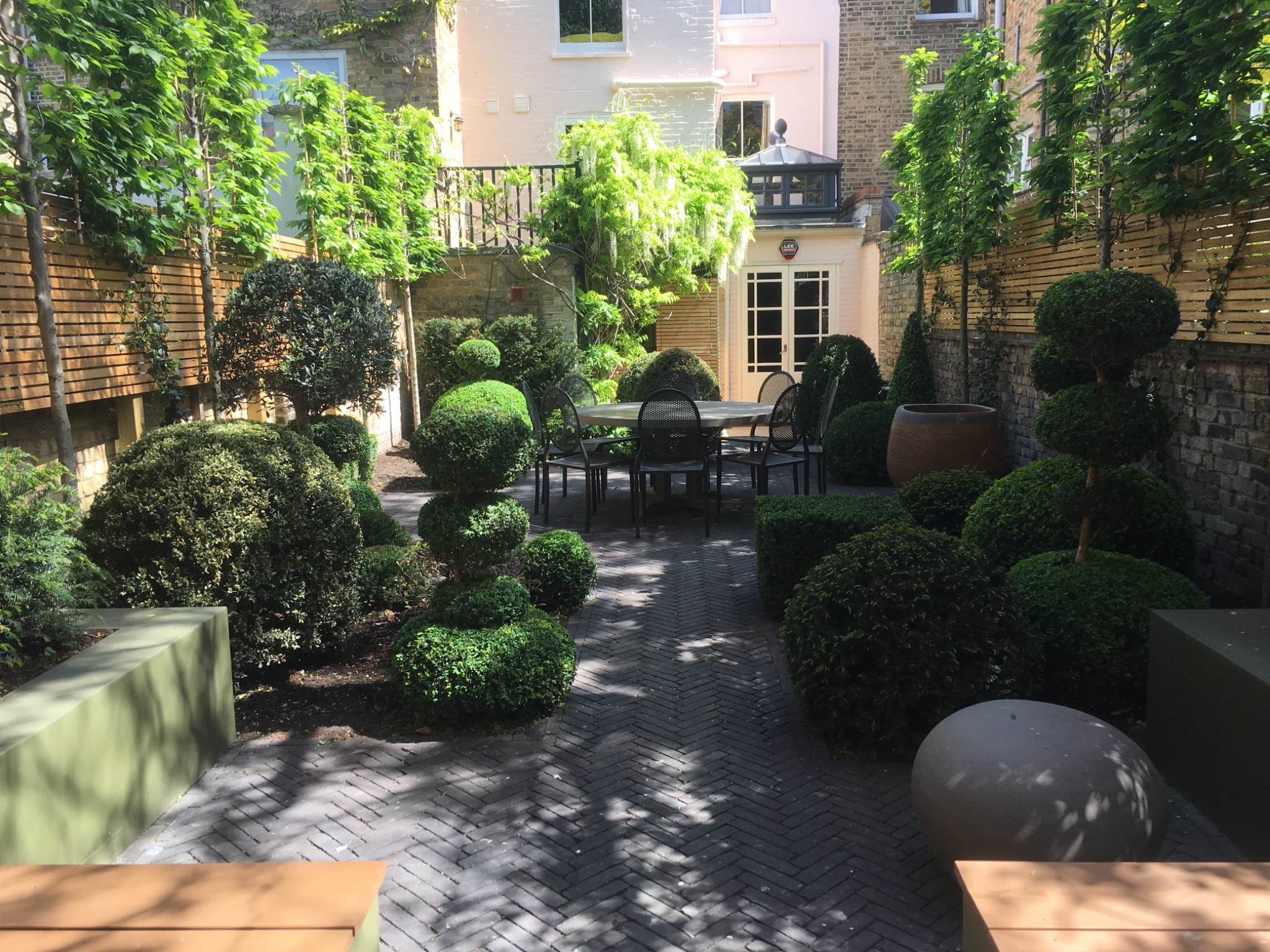
A garden is both a project and a living place
For a long time, gardens have been discussed mainly in terms of what they give us: somewhere to sit, entertain, play, cook or look at. Those needs are real. But every garden is also a piece of ground connected to a wider living landscape.
The client sees the garden from their own point of view
That is natural. A client comes to us with requirements, priorities and a picture of how the garden needs to work. Our job is to respect those requirements while also looking at the project from the wider set of conditions that will shape it.
Good construction can still leave room for life
A professionally built garden does not have to choose between function and nature. Drainage, planting, soil, boundaries, materials and level changes can be considered together so the finished garden works for people without unnecessarily closing every opportunity for natural processes.
Conditions, requirements and needs interact
Every site has its own light, soil, water, existing vegetation, access and neighbouring landscape. Every project also has technical requirements and human needs. The useful question is how those things interact, rather than treating ecology as a separate decorative layer added at the end.
Nature often uses the spaces between our decisions
Life does not require every square metre to be designed as habitat. Soil that remains healthy, planting that develops structure, water that can move sensibly and boundaries that connect rather than isolate can all allow natural processes to continue alongside the constructed garden.
The wider picture is part of professional judgement
Looking at a project from more than one viewpoint does not mean telling a client to want less from their garden. It means understanding how the requested garden can sit intelligently within the place it occupies.
What we give back may be opportunity
Perhaps what we give back to nature is not one particular feature at all. Perhaps it is simply the opportunity for life to remain part of what we build.
Perhaps what we give back to nature is not one particular feature at all. Perhaps it is simply the opportunity for life to remain part of what we build.
White Edge Thought
A garden can be built for people while still leaving room for nature to continue its work.
Was this article useful?
Thank you for your feedback.